



Chai is one of those simple words that conjures up different things in different people's minds. If you've never tasted chai from South Asia, you may think of a chai latte or dirty chai or chai spiced bake. Even within South Asia and India, every region and household has their own recipe for chai. Chai may seem complicated, but really it's about finding what variation works for you.
What Is Chai?
Chai is simply black tea brewed in water and milk. Masala means a blend of spices. When you add masala to chai, you get Masala Chai, a rich, aromatic, and deeply comforting drink, loved by millions of people across South Asia.
Masala Chai: The Traditional Starting Point
Masala chai is brewed, not steeped. That distinction matters. You are not pouring hot water over a tea bag and calling it done. The masala or spice blend for chai varies by region and by family, but certain ingredients appear almost universally. Fresh ginger provides sharp, aromatic heat, Green cardamom pods add a floral, slightly citrusy lift, Black pepper brings warmth, Cinnamon brings sweetness and depth, and cloves add intensity. Some recipes include fennel seeds, some add star anise. Some are built almost entirely around ginger and cardamom, with everything else playing a supporting role.
The tea itself matters just as much as the spices. A strong, malty black tea, traditionally from Assam, works perfectly. The tannins in a good black tea hold their own against the milk and spices rather than disappearing into them. Weak tea produces a flat, diluted result regardless of how good your spice blend is. If you’re wondering how to make masala chai at home, it is simpler than most people expect.
Chai Spice: The Shortcut That Actually Works
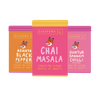
A chai spice is a combination of the spices used in masala chai, ground together in proportions designed to create a balanced, delicious chai. It delivers the complexity of a well-balanced masala chai without needing a pantry full of whole spices.
A good chai spice blend lets you control the rest of the process while saving the labor of sourcing, measuring, and grinding individual spices every time you want a cup. You still choose your tea, your milk, your sweetener, your brewing method. The blend simply takes care of the spice blending for you.
The quality difference between spice blends is significant. A blend made with freshly harvested, thoughtfully sourced spices, where the cardamom was recently harvested and the cinnamon is true Ceylon rather than commodity cassia, will produce a cup that tastes genuinely layered and complex. A blend made with old, mass-processed spices will taste flat and one-dimensional no matter how carefully you brew it. This is one of those places where ingredient sourcing directly determines what ends up in your cup. As with any spice-forward recipe, the quality of the ingredients shapes the final flavor.
A well-made spice blend can also go well beyond tea. It works in oatmeal, in baked goods, stirred into warm milk on its own, or used as a dry rub for proteins where warmth and spice are welcome. The types of tea flavours it pairs with extend beyond black tea too, working beautifully with rooibos for a caffeine-free version, or with green tea for something lighter and more delicate.
A Good Cup Starts with Good Tea
Not every cup needs to be a full masala chai production. Sometimes a strong, well-brewed cup of black tea is exactly what the moment calls for. Understanding the base tea separately from the spices helps you make better chai, because you start to appreciate how much character the tea itself brings to the cup.
Assam teas are malty and robust, ideal for chai because they hold their flavor under pressure from milk and spices. Darjeeling teas are more delicate and floral, better suited to a lighter spice touch or none at all. Nilgiri teas from South India are smooth and slightly fruity, another excellent base for chai types that lean toward the milder end of the spectrum.
Brewing black tea correctly before adding anything to it is worth practicing. Water temperature matters. Steep time matters. Over-steeped black tea turns bitter in a way that even good spices cannot fully rescue.
Masala Chai: The Traditional Starting Point
For many people, a well-made masala chai blend offers the sweet spot between convenience and complexity. The advantage is simplicity without sacrificing depth. Instead of sourcing separate tea and spices, you start with a blend already built to brew cohesively, which makes it especially useful for everyday chai drinkers who want deeply aromatic, comforting, and easy to return to day after day.
| Chai Type | Base | Spices | Milk | Effort Level | Best For |
|---|---|---|---|---|---|
| Masala Chai | Bold, malty Assamese black tea | Coarsely ground spices | Milk of choice, simmered in | Low | Everyday brewing |
| Chai Spice Blend | No tea; a blend of chai spices | Pre-mixed ground blend | Can be added to any milk-based or tea-based drink | Low | Consistency, chai-spiced bakes |
| Plain Black Tea | Single-origin black tea | None or minimal | Not required | Low | Appreciating the tea itself |
| Iced Chai | Strong brewed masala chai | Full spice mix, brewed hot | Whole or oat milk, poured cold | Medium | Summer, afternoon drinking |
If you want to start exploring chai at home, brewing masala chai from whole spices is a wonderful place to begin. It takes more time but it teaches you what each ingredient contributes, and once you have made it a dozen times, you will have your own instinctive ratio.
If you want great chai without the daily effort of whole spice prep, a high quality spice blend is the best answer. The results depend almost entirely on ingredient quality, so sourcing a blend made with care is worth the research.
If you are exploring types of tea flavours more broadly and want to understand what you are tasting before layering in spices, start with a good single-origin black tea on its own. Build from there.
Ultimately, the right cup of chai is the one that fits your rhythm and tastes good to you. The best version is usually the one you genuinely want to keep making. There is only the next cup.