
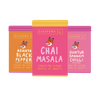



- Surya Salt or Kosher salt (preferably Diamond Crystal)
- 11/2 teaspoons (4 g) Aranya Black Pepper, plus more to taste
- Extra-virgin olive oil
- 3 ounces (85 g) guanciale or pancetta, thinly sliced
- 1/2 cup (40 g) sliced scallions (about 4 large, white and light green parts only)
- 8 ounces (225 g) rigatoni, bucatini, or fettucine
- 1 egg
- 2 egg yolks
- 1/3 cup (40 g) 50/50 cheese (half
- Parmigiano-Reggiano, half Pecorino Romano, grated in a food processor), plus more for serving
Ingredients
Methods
- Fill a large pot (at least 6 quarts/L) with 1 gallon (4 L) of water; add 4 tablespoons (40 g) kosher salt, cover the pot, and bring the water to a boil while you make your sauce. If the water begins to boil before your sauce is ready, turn down the heat, but don’t let the volume of the pasta water reduce by boiling off.
- Crack the black peppercorns following the method on page 43.
- Heat a glug of olive oil in a large skillet or Dutch oven over medium heat. When the oil is hot, add the guanciale and cook slowly until crisp and evenly cooked, 5 to 7 minutes. Remove the skillet from the heat (don’t pour off the fat), add the cracked black pepper and the scallions, and set aside to let the pepper and scallions infuse their flavor into the oil.
- Bring the pasta water (back) to a boil, add the noodles, and set your timer for 2 minutes less than the shortest suggested cooking time on the package of pasta; this will ideally be 2 minutes before the pasta is al dente. Stir the noodles several times during the first 2 minutes of cooking to prevent them from sticking to the bottom of the pot or otherwise clumping together.
- After the noodles have cooked for 2 or 3 minutes, scoop out 1/2 cup (120 ml) of the pasta water and set aside to cool. Continue cooking the noodles.
- Meanwhile, combine the egg and egg yolks in a medium bowl and whisk with a fork until nicely blended. Now, check the temperature of the oil in the skillet—it should not be actually hot, but it must still be warm to the touch. If it’s too cool, put the skillet back on the burner for a few seconds.
- Add the reserved 1/2 cup pasta water (which should be at warm room temperature now; if it is still hot, add a few drops of cold water) to the skillet and swirl to blend. Then whisk in the egg mixture and set aside. (Adding the eggs to warm, not hot or cold, ingredients helps temper it—that is, it gets the eggs used to some heat and begins their thickening process.)
- When the timer goes off, start tasting the noodles. When they seem like they are a perfect al dente (see page 22), drain and transfer them to the sauce in the skillet using your preferred method (see page 21), making sure to reserve at least 1 cup (240 ml) of the pasta water.
- Your goal now is to gently heat the mixture so that the eggs are cooked (and safe to eat) and thicken to a light custardy texture, but not cook them so much that they coagulate and scramble. Use a silicone spatula or a spoon to stir and scrape the skillet, and regulate the heat by moving the pan on and off the burner; you can also loosen the consistency with a little pasta water. This process will take around 5 minutes.
- When the egg-guanciale mixture is looking good, add the grated cheese and toss to emulsify it with the other sauce ingredients, adding splashes of pasta water (or plain hot water, if things are getting too salty) if needed to keep the consistency creamy and prevent the cheese from clumping. Taste and add more salt or pepper if you like.
- Divide the pasta between two warm bowls and serve right away, with more cheese to add at the table.